Select your language:

[gtranslate]

Fentanyl Detox

We will give you the support and guidance you need to get started on the road of long-term recovery.

Get Help with Addiction Treatment

By selecting this checkbox and entering mobile number I agree to receive GR Support from Guardian Recovery Network Holdings LLC. Message frequency varies. Text HELP to 96909 for help, Text STOP to 96909 to end. Msg&Data Rates May Apply. By opting in, I authorize Guardian Recovery Network Holdings LLC. to deliver SMS messages using an automatic dialing system and I understand that I am not required to opt in as a condition of purchasing any property, goods, or services. By leaving this box unchecked you will not be opted in for SMS messages at this time. Click to read Terms and Conditions & Privacy Policy.

Focused Treatment
Medically Assisted Fentanyl Detoxification

At Guardian Recovery we understand how difficult Fentanyl withdrawal can be. Many times withdrawal symptoms are so serve that those struggling with Fentanyl addiction return to using within 24 hours. The key to overcoming this obstacle is a medically supervised detox where withdrawal symptoms can be identified and treated immediately. At Guardian Recovery we perform an in-depth initial evaluation and tailor a treatment plan unique to each clients needs and recovery goals. Guardian Recovery provides 24 hour medical supervision and comfort care for our detox clients. Our medical and client support team’s goal is to make sure all clients have a safe and comfortable detox so they can begin the next phase in their recovery journey.

What is Fentanyl?

Fentanyl is a potent and habit-forming synthetic opioid analgesic, one that is currently characterized as a Schedule II chemical substance under the Federal Drug Enforcement Administration (DEA). This synthetic opioid is between 50 and 100 times more potent than morphine (which itself is one of the most potent prescription painkillers currently used by medical professionals in hospital settings). When fentanyl is used medically it is generally used to treat severe short-term pain, such as pain related to a surgical procedure or an acute injury. Over the course of the past decade, the country has seen a major increase in fentanyl abuse rates. This is predominantly due to the fact that a significant number of heroin dealers cut the drug with fentanyl in order to increase its potency and its street value. Many men and women who purchase heroin are unaware that the drug is cut with the synthetic opioid, and they end up overdosing as a result.

The way fentanyl works is by bonding with the receptors within the brain that signal pain and control a person’s emotions. However, they react so powerfully and instantly that every single dose is a risk. Even taking regularly prescribed doses of fentanyl carries with it a risk that the dose could be fatal, so it must always be taken with extreme care. If a contradictory medication, alcohol, or other drug is used with it, the stakes could even be higher. Some drugs, like alcohol, can depress breathing further, making it to where someone using fentanyl may not be able to breathe at all.


Prescription fentanyl is typically administered in three forms. The client can get a shot of the medication directly, suck on a lozenge that slowly reduces pain, or wear a transdermal patch for relief. When someone takes fentanyl they often have a temporary euphoric feeling. It leaves users feeling happy, confused, and tired. This is often accompanied by slower respiration and a reduction in blood pressure. When someone uses too much fentanyl it can lead to fainting, a struggle to breathe, seizures, and even death.

Recovery Starts
Here

Choose recovery and take control of your life, it’s the path to a brighter future filled with health, happiness, and fulfillment.

Fentanyl Abuse and Overdose-Related Death

The Centers for Disease Control and Prevention reported that there were a total of 67,367 drug related overdose deaths throughout the country in the year 2018. Synthetic drugs like fentanyl are considered the main driver of drug overdose deaths. According to the CDC, of the nation’s 2018 total overdoses, Opioids were involved in 46,802 of them (69.5 percent of all drug overdose deaths). Two out of three (67 percent) opioid-involved overdose deaths involve synthetic opioids. Because most people who abuse fentanyl remain unaware of the fact that their heroin has been cut with the drug, it can sometimes prove difficult to specifically nail down a fentanyl abuse disorder. In most cases, men and women who are abusing the drug appear as if they are struggling with heroin abuse.

Fentanyl Overdose Signs

There are symptoms to watch for in case someone experiences a fentanyl overdose. These symptoms may start off slowly or they may come on very quickly. The faster they show up, typically, the faster the overdose is occurring. Some doctors even require clients using fentanyl to have a rescue dose of naloxone available nearby, just in case. While you could not likely help yourself, someone nearby could administer it and potentially save your life in the event of an accidental overdose.

If you suspect an overdose, watch for signs such as:

  • Dizziness
  • Extreme drowsiness
  • Tiny pupils in the eyes
  • Confusion about who or where you are
  • Breathing that becomes very slow or shallow
  • Breathing stops completely

Fentanyl Withdrawal

The symptoms associated with fentanyl withdrawal typically begin within the first 12 to 30 hours after the last dose and peak in severity between one and three days. If treated in a medical detox facility these symptoms generally resolve within one to two weeks.

Symptoms of fentanyl withdrawal:

  • Flu-like symptoms including watery eyes, runny nose, stomach cramping and chills/profuse sweating
  • Excessive yawning
  • Insomnia and other sleep-related issues
  • Anxiety, which can lead to rapid heartbeat and panic attacks when left untreated
  • Agitation and irritability/mood swings
  • In inability to get comfortable and general feelings of discomfort
  • Nausea, vomiting and diarrhea
  • Changes to blood pressure
  • Depression, which can lead to suicidal ideation when left untreated
When it comes to fentanyl withdrawal there are several ways to alleviate severe symptoms. Treatment options vary on a person-to-person basis and might include tapering, medications like naltrexone or buprenorphine, holistic treatment methods like acupuncture and massage therapy and a range of safe, over-the-counter medications used to reduce pain and promote relaxation.

Our Locations 

Our Facilities & Teams Transform Lives

Changing lives by providing comprehensive support and rehabilitation, empowering individuals to overcome addiction and regain control of their health and well-being.

Fentanyl Addiction

The most common signs and symptoms associated with fentanyl abuse and addiction:

  • Excessive drowsiness and noticeable changes to sleep patterns
  • More time spent isolated and away from family members and close friends
  • Continuing to use fentanyl despite related consequences, which could be interpersonal, work-related, legal or financial
  • A lack of interest in hobbies and activities that were previously enjoyed
  • A lack of attention paid to personal hygiene
  • A loss of appetite, which often leads to noticeable weight loss
  • A desire to cut back or quit coupled with an inability to do so
  • Spending a great deal of time obtaining, using and recovering from the effects of fentanyl
  • An increase in risk-taking behaviors, which might include driving while intoxicated, sharing needles or stealing in order to support the drug habit
  • Developing a physical tolerance, meaning that a larger amount of fentanyl is required in order for the same effects to be produced
  • Experiencing withdrawal symptoms when use is stopped suddenly
Substance abuse disorders are categorized by severity — mild, moderate and severe. When it comes to fentanyl abuse, however, it is safe to say that immediate intervention is always necessary. Even if an individual believes that he or she has fentanyl use “under control,” using slightly more than intended, even one time can easily lead to overdose.

Is Medical Detox Necessary for Fentanyl Withdrawal?

When it comes to treating the symptoms associated with fentanyl withdrawal, entering into a medically monitored detox program is absolutely essential for several reasons.

  • In a medical detox facility the symptoms associated with fentanyl withdrawal are effectively treated as soon as they develop – At Guardian Recovery we consistently prioritize client comfort, providing a safe and pain-free fentanyl withdrawal by utilizing a number of evidence-based detox methods.
  • When it comes to fentanyl withdrawal, the psychological drug cravings must be treated in order for relapse to be prevented – At Guardian Recovery we employ medication assisted treatment (MAT) in order to treat these drug cravings. Most commonly we prescribe a short-term course of buprenorphine and naltrexone, which we combine with intensive therapy and holistic recovery methods.
  • Medical detox centers like those developed by Guardian Recovery offer a range of addiction services – many of which are not found in a traditional hospital setting or impersonal, state-funded facility. The services we provide include individual and group therapy, family therapy, case management services and aftercare planning.

At Guardian Recovery we do much more than work towards physical stabilization. We provide each and every one of our clients with the tools he or she needs to maintain success in sobriety and seamlessly transition into the next appropriate level of clinical care.

SELF-ASSESSMENT:

Do I Have a Substance Use Disorder?

Disclaimer: Does not guarantee specific treatment outcomes, as individual results may vary. Our services are not a substitute for professional medical advice or diagnosis; please consult a qualified healthcare provider for such matters.

Begin Your Recovery Journey Today

At Guardian Recovery we remain dedicated to providing men and women of all ages and walks of life with a multi-phased program of demographic-specific care. We understand how rapidly devastating fentanyl addiction can be, and we have developed an admissions process that is both simple and uncomplicated. The moment you or your loved one makes the decision to pick up the phone and contact us, we begin developing a viable plan of action. We begin by completing a brief pre-assessment over the phone which helps our medical team determine which detoxification techniques are going to be the most beneficial for each unique case. Next we work through coverage options and set a date and a time for intake. The entire process can be completed over the phone in a matter of minutes. At Guardian Recovery we understand how overwhelming the admissions process might seem, which is why we are available to walk you through every single step. To begin your personal journey of fentanyl addiction recovery – or to help your loved one get started on his or hers – pick up the phone and contact us today.

Fentanyl Recovery Articles

Get Local Help

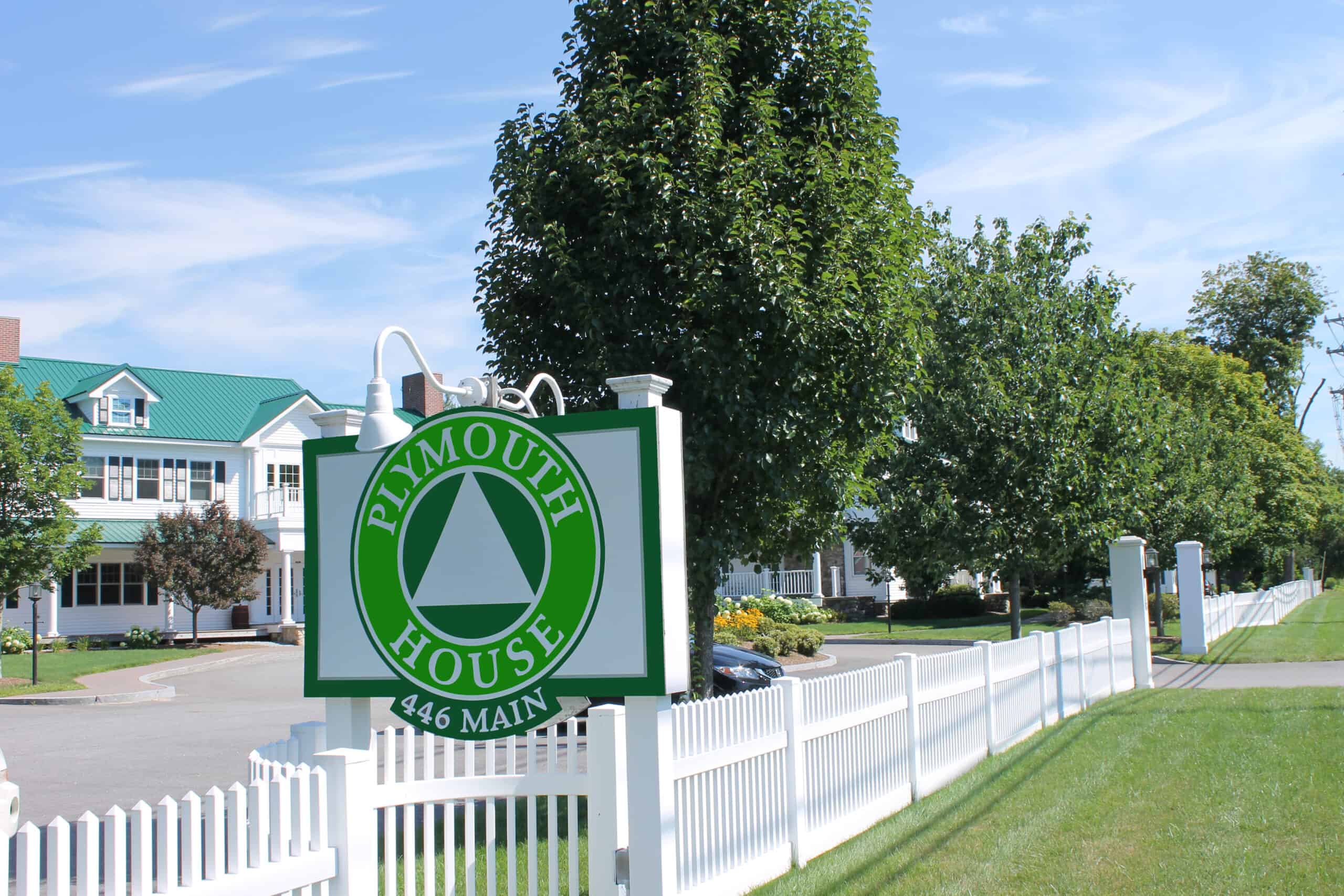
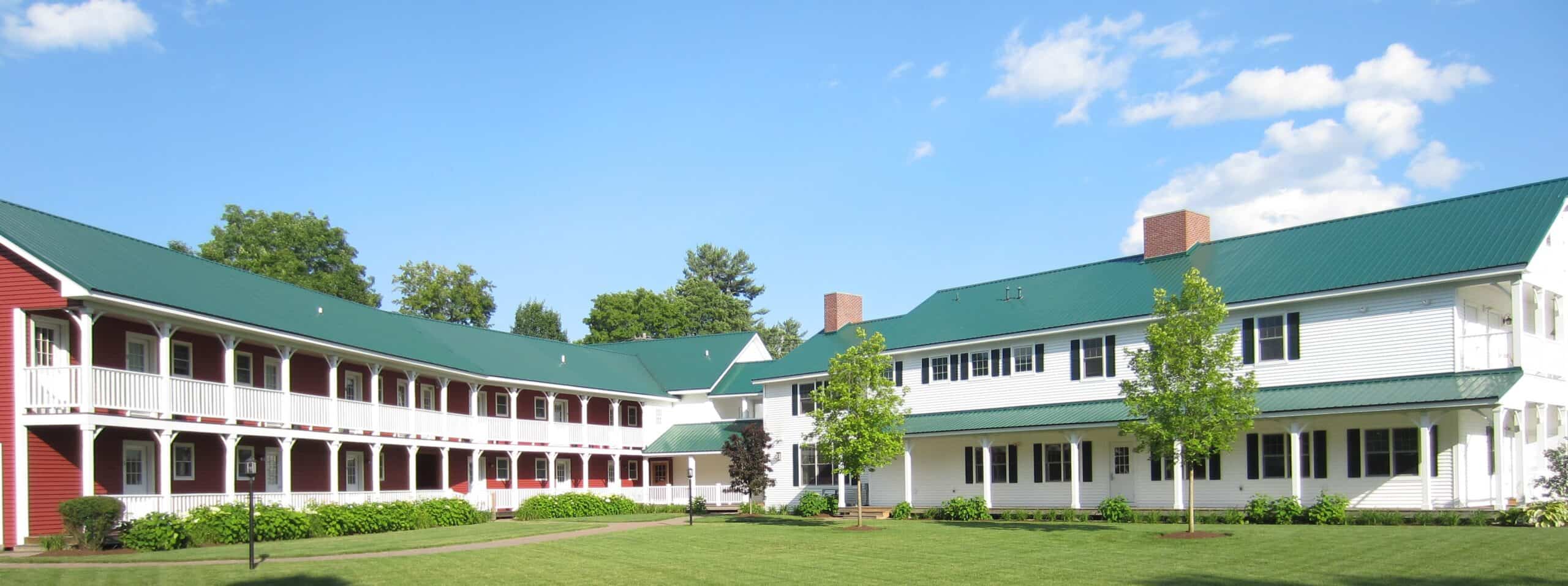
The Plymouth House

Plymouth, New Hampshire

Immersion Recovery Center

Delray Beach, Florida

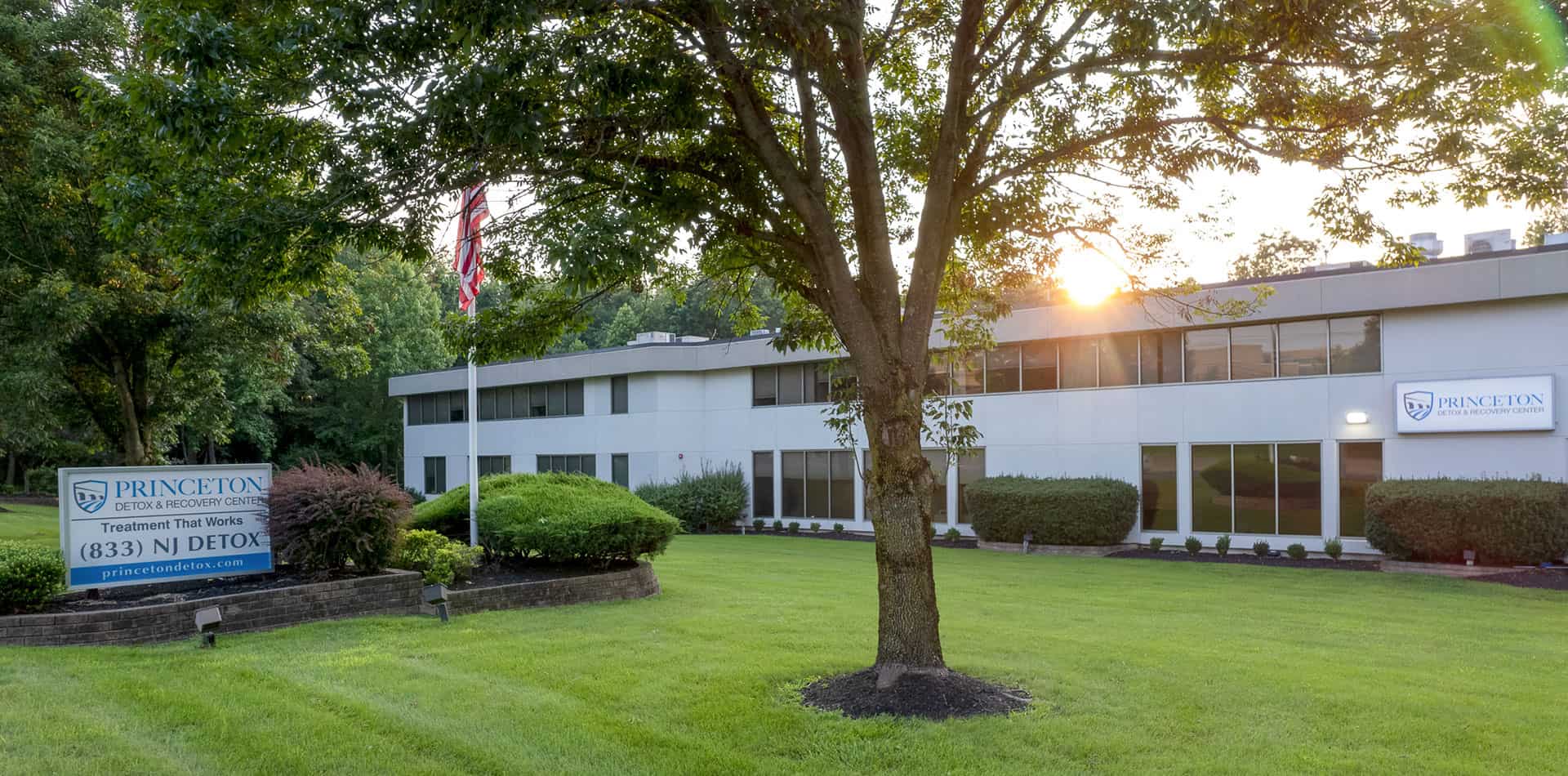
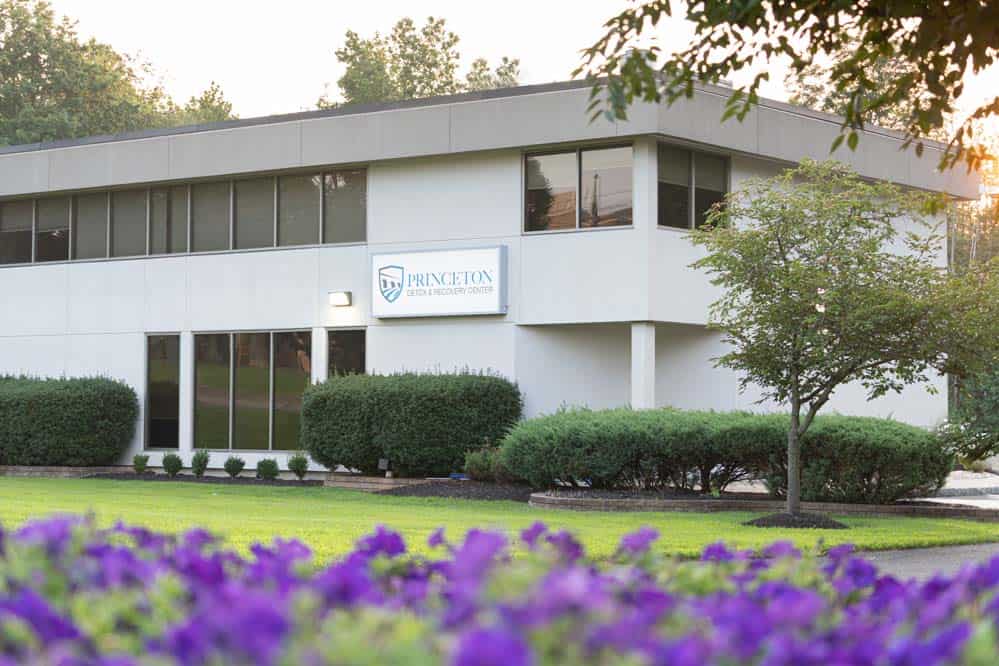
Princeton Recovery Center

Princeton, New Jersey

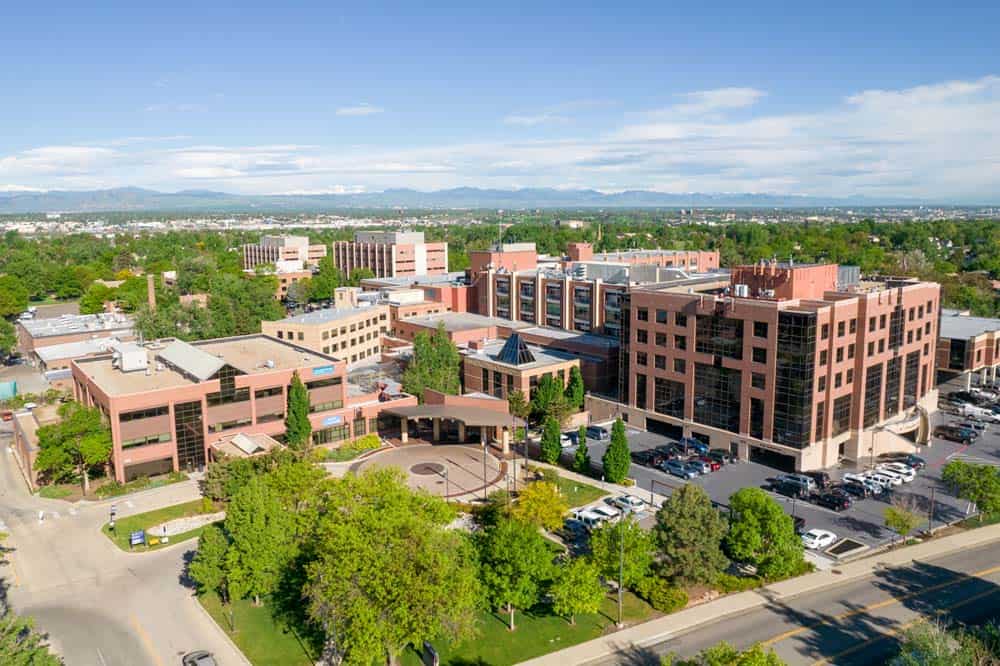
CuraWest

Denver, Colorado

CuraSouth

Largo, Florida

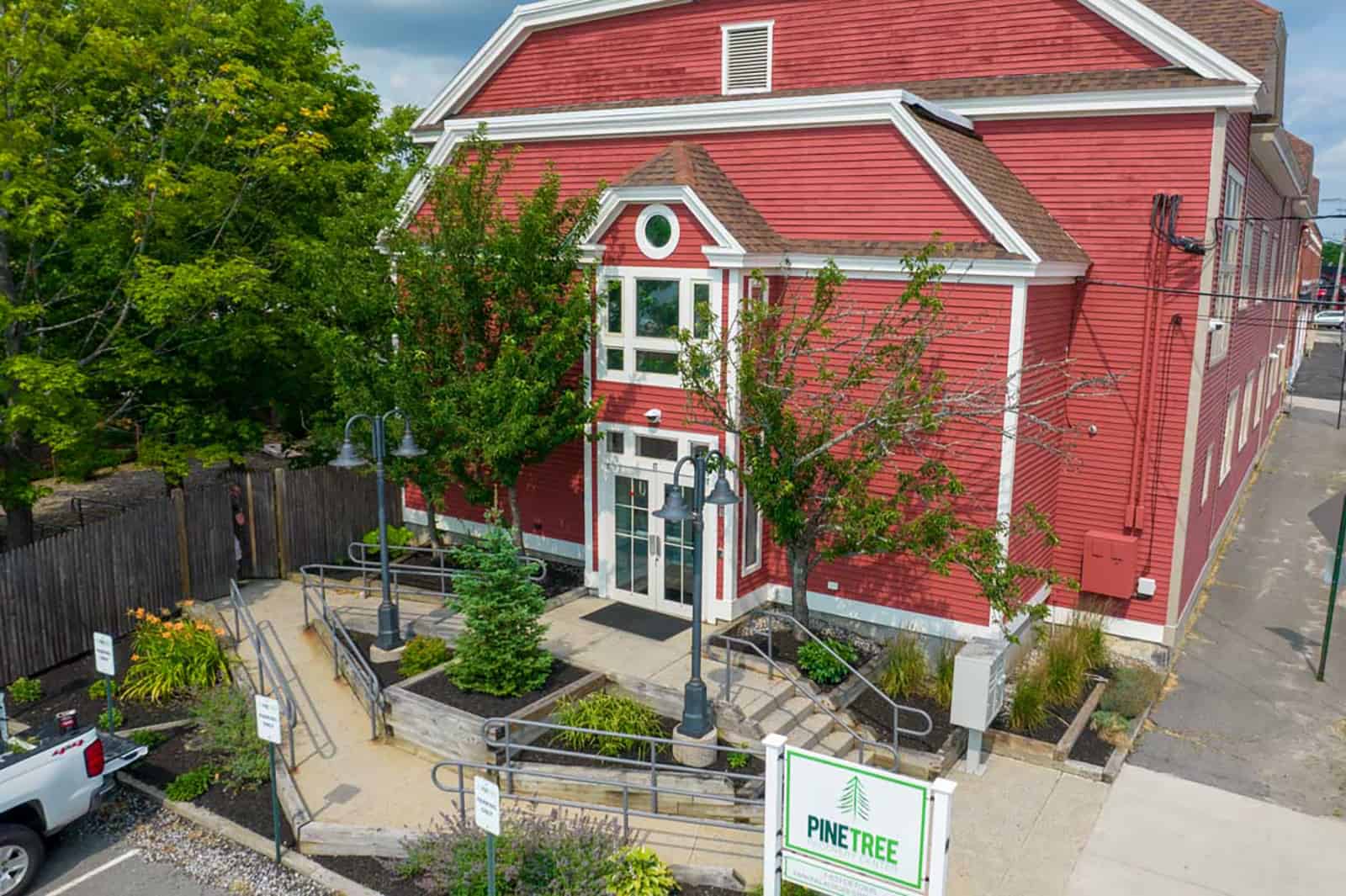
Pine Tree

Portland, Maine

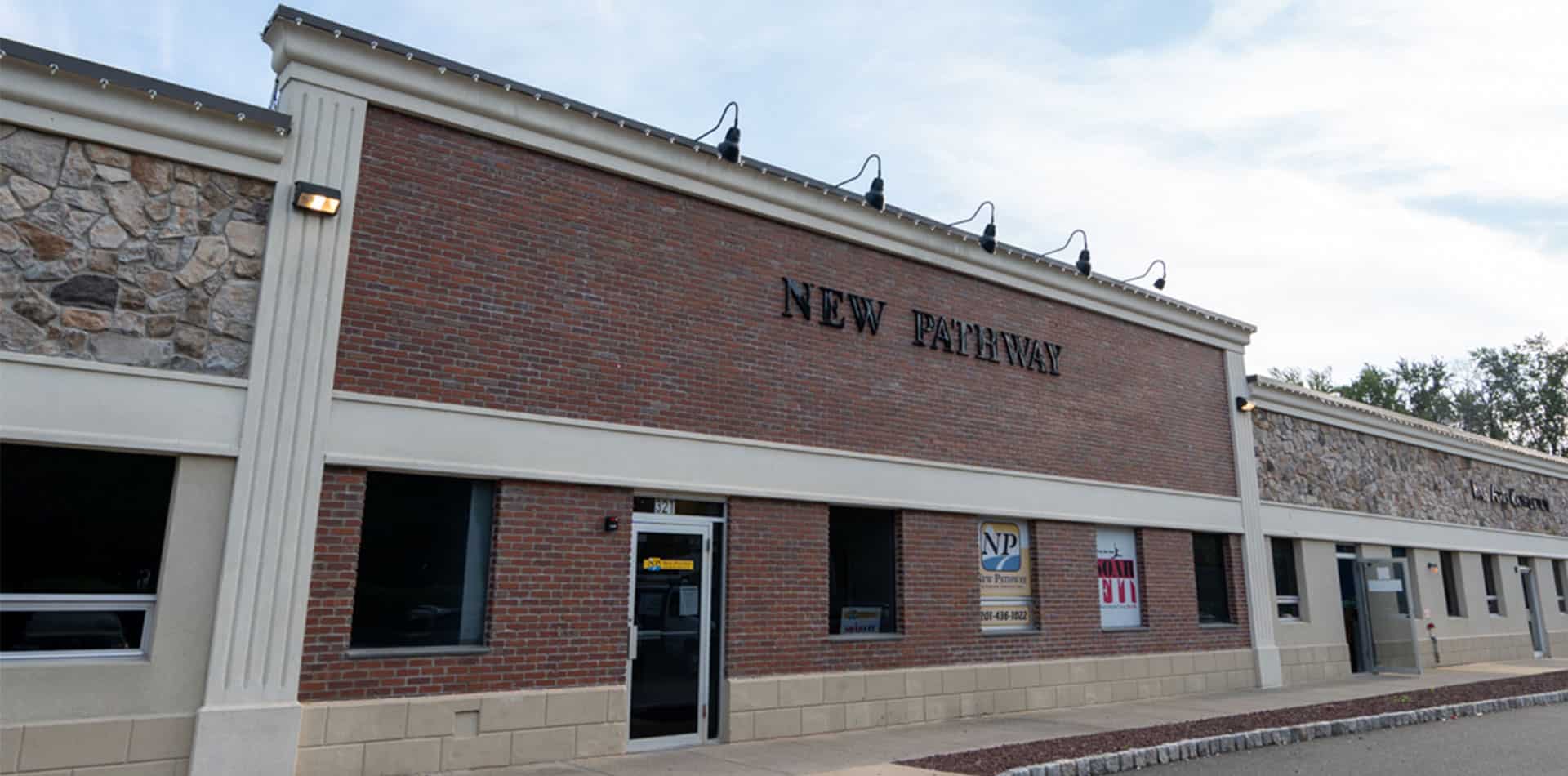
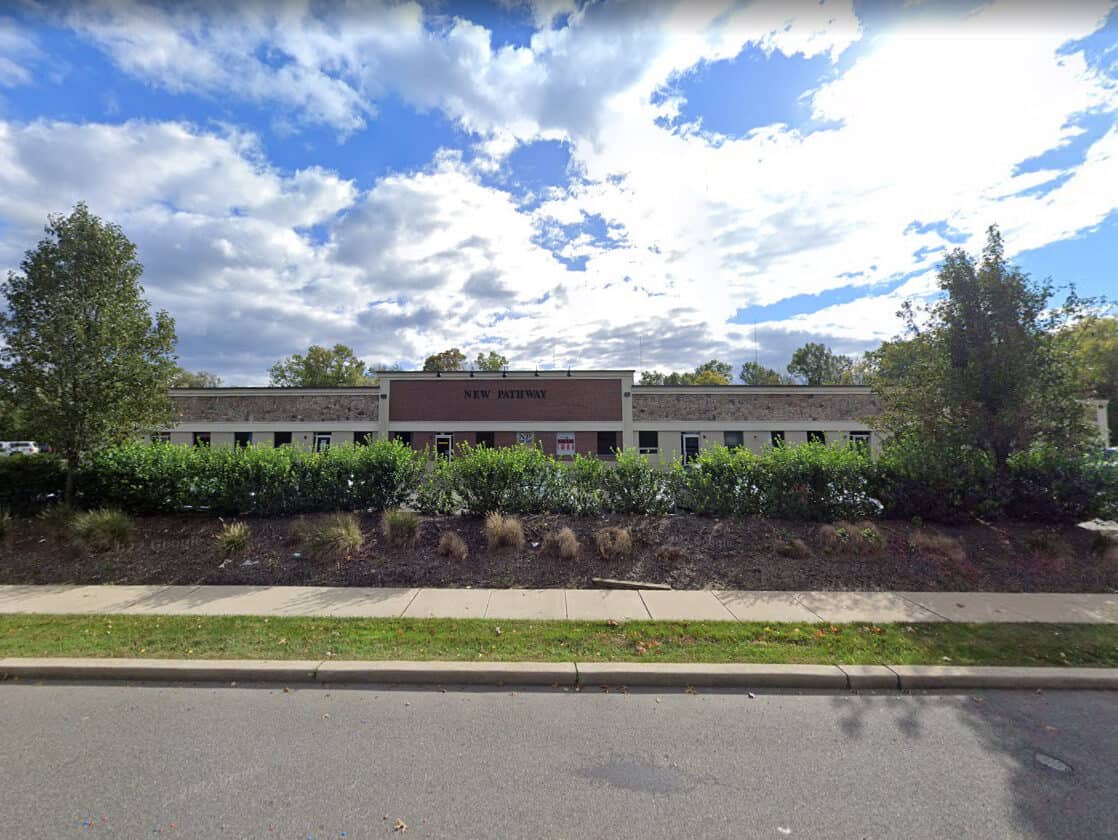
New Pathway

Pine Brook, New Jersey

Questions?
Learn More About the Recovery Process

Reviewed professionally for accuracy by:

Ryan Soave

L.M.H.C.

Ryan Soave brings deep experience as a Licensed Mental Health Counselor, certified trauma therapist, program developer, and research consultant for Huberman Lab at Stanford University Department of Neurobiology. Post-graduation from Wake Forest University, Ryan quickly discovered his acumen for the business world. After almost a decade of successful entrepreneurship and world traveling, he encountered a wave of personal and spiritual challenges; he felt a calling for something more. Ryan returned to school and completed his Master’s Degree in Mental Health Counseling. When he started working with those suffering from addiction and PTSD, he found his passion. He has never looked back.

Written by:

Picture of Sophie Blake

Sophie Blake

Sophia Blake, a dedicated content writer specializing in addiction recovery, devoted her days to crafting compelling narratives that not only educated her readers about the journey of healing but also empowered them to embrace hope and resilience in their own lives.

More About Author

Recovery Starts Now

Once you submit the form, staff will contact you via phone or email within 24 hours for a free, confidential, and no-obligation conversation to discuss your needs and/or those of a loved one.

Take the First Step Toward Lasting Change

Check Insurance Coverage

Find out today what options are available to you. Fill out the form below.

Do it for YOU, Do it for LOVED ones

Medical Disclaimer:

The information provided on this website is intended solely for educational and informational purposes. Guardian Recovery aims to improve the quality of life for individuals struggling with substance use or mental health disorders by offering fact-based content about behavioral health conditions, treatment options, and related outcomes. However, this information should not be considered a substitute for professional medical advice, diagnosis, or treatment.

Important Notes:

The content on this site is believed to be current and accurate at the time of posting, but medical information is constantly evolving.
Always seek the advice of your physician or other qualified healthcare provider regarding any questions or concerns about your health or medical condition.
If you think you may have a medical emergency, call 911 or go to the nearest emergency room immediately.
Guardian Recovery does not provide free medical advice. For personalized treatment recommendations, please consult with a licensed healthcare professional.

By using this website, you acknowledge that you have read and understand this disclaimer. Guardian Recovery and its affiliates disclaim any liability for the use or interpretation of information contained herein. SEE TERMS AND CONDITIONS


Live a BRIGHTER Future Today!

Guardian Recovery is here to assist you in your journey of healing.

Do it for YOU, Do it for LOVED ones

Live a BRIGHTER Future Today!

Guardian Recovery is here to assist you in your journey of healing.

Do it for YOU, Do it for LOVED ones

Check Insurance Coverage

Find out today what options are available to you. Fill out the form below.

Do it for YOU, Do it for LOVED ones

Contact Alumni Services Today!

Guardian Recovery is here to assist you in your journey of healing after coming to one of our facilities.

Stay in touch ALUMNI

Join our alumni newsletter to get up to date information on events, news, and more.

Personalize Your Experience

Allow us to guide you to the information your looking for.

Begin HEALING Today

Check Insurance Coverage

Find out today what options are available to you. Fill out the form below.

Do it for YOU, Do it for LOVED ones