Focused Treatment
Medically Assisted Heroin Detoxification
At Guardian Recovery we understand how difficult heroin withdrawal can be. Many times withdrawal symptoms are so severe that those struggling with heroin addiction return to using within 24 hours. The key to overcoming this obstacle is a medically supervised detox where withdrawal symptoms can be identified and treated immediately. At Guardian Recovery we perform an in-depth initial evaluation and tailor a treatment plan unique to each client’s needs and recovery goals. Guardian Recovery provides 24 hour medical supervision and comfort care for our detox clients. Our medical and client support team’s goal is to make sure all clients have a safe and comfortable detox so they can begin the next phase in their recovery journey.
Heroin Withdrawal
In most instances, acute symptoms of heroin withdrawal will last a week or more. Post-acute withdrawal symptoms, however, can last for several months (and in extreme cases, even up to a year). What’s the difference between acute and post-acute withdrawal? Acute withdrawal symptoms will usually begin within 6 to 12 hours of the last use. For example, if an addict has been using heroin daily and suddenly stops use (either because he or she is attempting to detox or because his or her supply becomes unavailable), physical symptoms of withdrawal will begin within several hours. These symptoms include abdominal cramping, extremely sore muscles, nausea, diarrhea, shakiness, cold sweats, agitation, and extreme cravings. While these symptoms aren’t generally life-threatening, they are uncomfortable enough to send an addict right back to using before the detox process is complete (unless he or she enters a detox facility). Acute symptoms often need to be medically monitored, to prevent relapse and to ensure that there are no physical complications. While the symptoms themselves aren’t life-threatening, complications can be. Some individuals detoxing off of heroin will experience seizures, for example, and if they are detoxing alone in a non-medical environment, seizures can be deadly.
Recovery Starts
Here
Choose recovery and take control of your life, it’s the path to a brighter future filled with health, happiness, and fulfillment.
Signs & Symptoms
Symptoms of early heroin withdrawal:
- Mild or moderate anxiety
- Sleep related disturbances
- Flu-like symptoms, which include runny nose, watery eyes, low grade fever, night sweats and gastrointestinal issues
- Excessive yawning
- Uncontrollable shaking/chills
- Symptoms of late heroin withdrawal include:
- More severe anxiety, which can be characterized by rapid heart rate and panic attacks
- Insomnia and other sleep related issues
- Intense psychological drug cravings, which often lead to relapse if left untreated
- Body tremors
- Nausea, vomiting and diarrhea
- Extreme agitation and irritability
- Severe abdominal cramping
- General aches and pains
Post-Acute Withdrawal (PAWS)
Post-Acute Withdrawal Symptoms Include:
- Problems with cognitive tasks, such as problem-solving, learning, or memory recall
- Irritability
- Anxiety or panic
- Depression
- Obsessive-compulsive behaviors
- Problems with social relationships
- Cravings for the addictive drug they used
- Pessimism. apathy and lack of interest
- Lack of focus and procrastination
- Sleep irregularity — either too much or too little
- Increased sensitivity to stress
- Impulsivity
Complimentary Insurance Check
Find Out Today!
"*" indicates required fields
Heroin Addiction
Signs & Symptoms of Heroin Addiction
- Continuing to use heroin despite negative personal consequences
- Attempting to cut back or quit, but being unable to do so for any significant amount of time
- Neglecting personal responsibilities and avoiding activities that were previously enjoyed
- Legal and financial issues
- Interpersonal issues (problems with family members and close friends)
- A lack of attention paid to personal hygiene
- Stealing from friends, family members or acquaintances in order to support the heroin habit
- Spending a great deal of time obtaining heroin, using the drug and recovering from its effects
- Experiencing intense psychological drug cravings which often lead to compulsive behaviors
- Physical symptoms like constricted pupils, excessive tiredness/seeming to fall asleep suddenly, track marks and bruising on the inner arms (consistent with intravenous heroin use) and itchy skin
- Developing physical tolerance, meaning that more heroin is required in order for the same effects to be produced
- Experiencing withdrawal symptoms when heroin use is stopped suddenly
Heroin & The Opioid Epidemic
Over the course of the past two decades, rates of heroin abuse, addiction and overdose have continuously climbed throughout the country. Men and women of all ages, demographics and personal backgrounds have been deeply affected by what is now known as a nationwide opioid epidemic. According to the 2016 National Survey on Drug Use and Health, roughly 948,000 Americans reported using heroin at least once within the past year. The epidemic is largely fueled by young men and women between the ages of 18 and 25 — though it is important to note that heroin addiction can affect anyone. The disease of addiction is non-discriminatory.
Long-term recovery is possible with a multi-phased program of clinical care in place. At Guardian Recovery we offer a range of comprehensive and individualized heroin addiction treatment services. Our program of medically monitored detox was developed by a team of licensed clinicians, dedicated behavioral therapists and mental health professionals with combined decades of experience. Our program is unlike any other in the sense that it does much more than treat the symptoms associated with heroin withdrawal and provide constant medical supervision. We work to prepare each of our clients for the road ahead as we begin working through the psychological, emotional and spiritual consequences of active heroin addiction.
Our Locations

Our Facilities & Teams Transform Lives
Changing lives by providing comprehensive support and rehabilitation, empowering individuals to overcome addiction and regain control of their health and well-being.

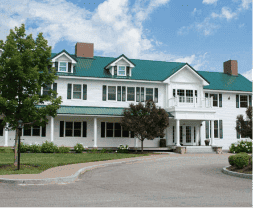
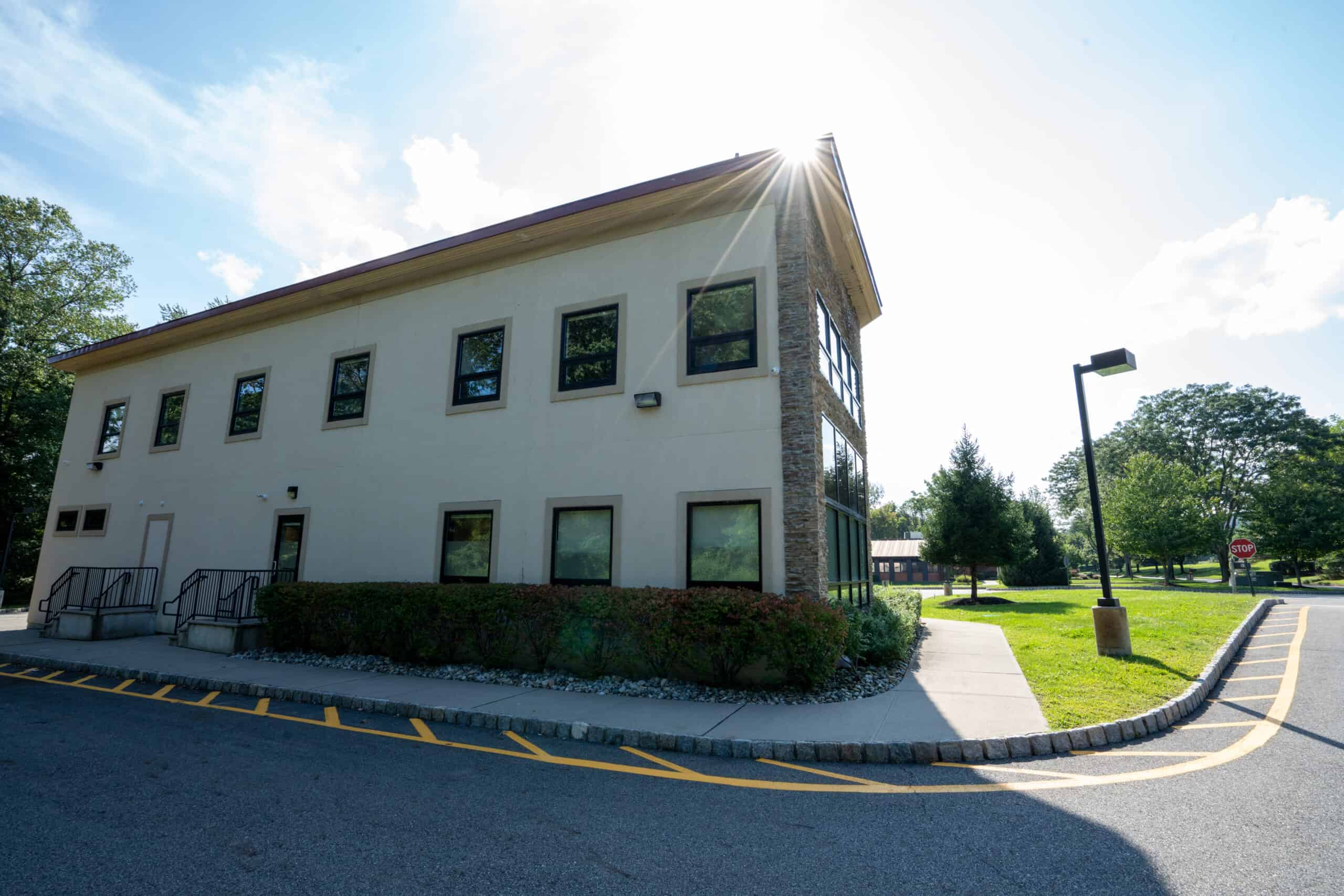
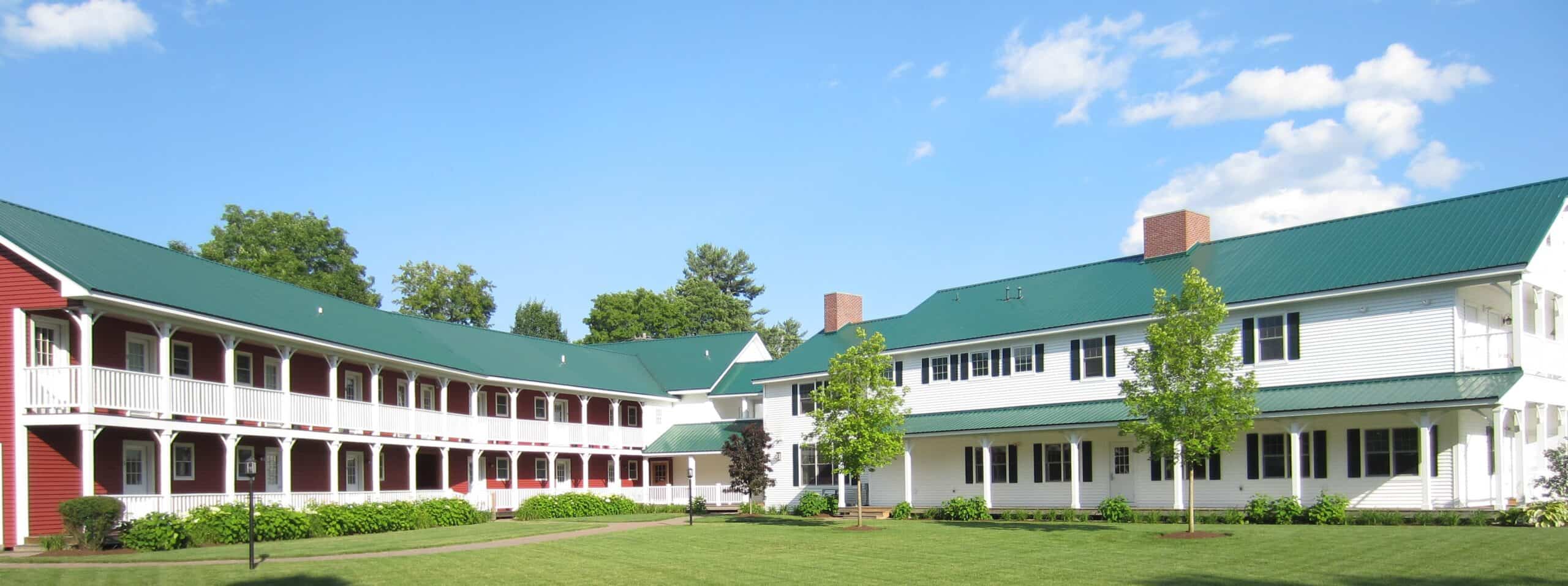
Immersion Recovery Center
Delray Beach, Florida
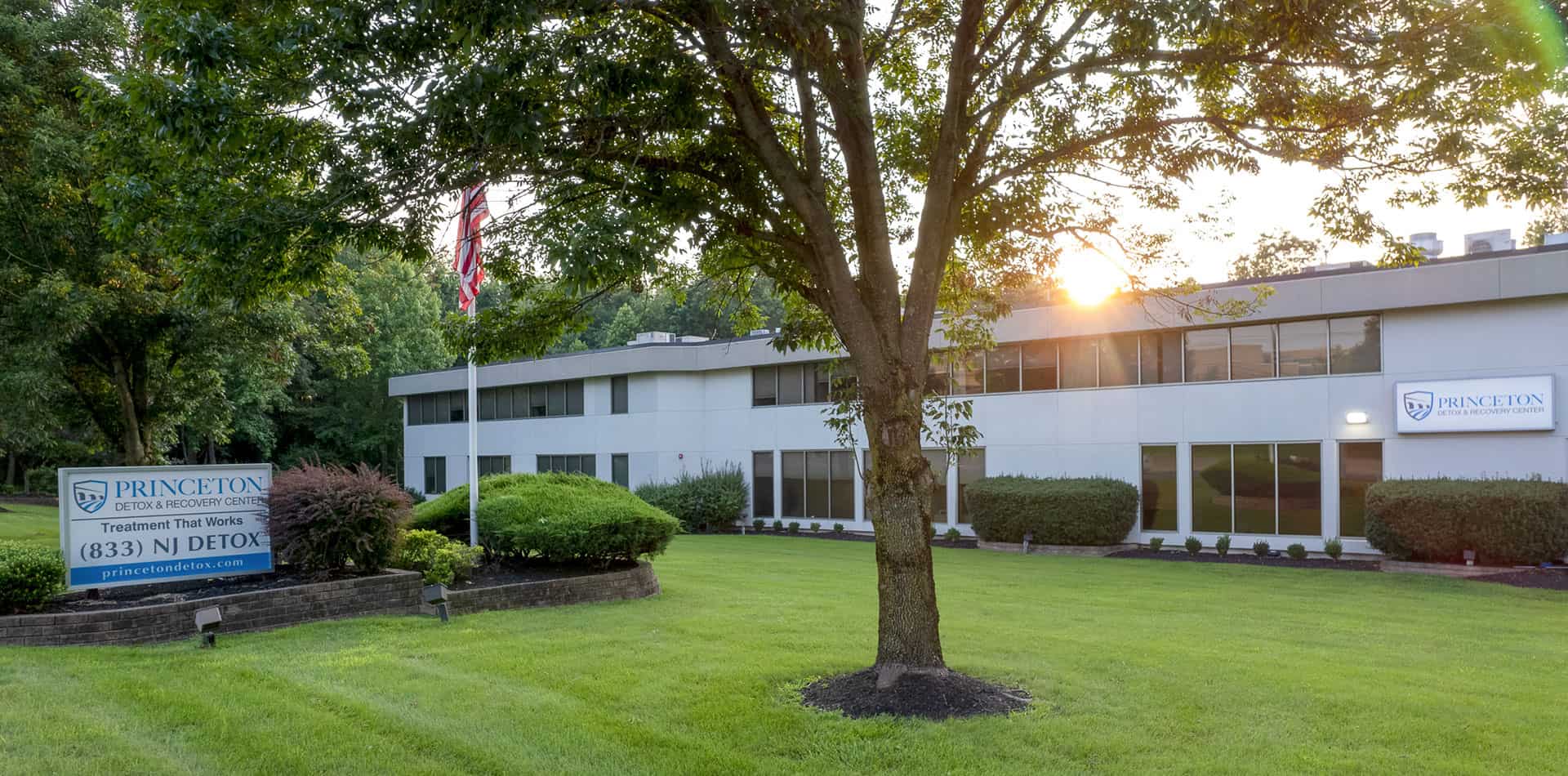
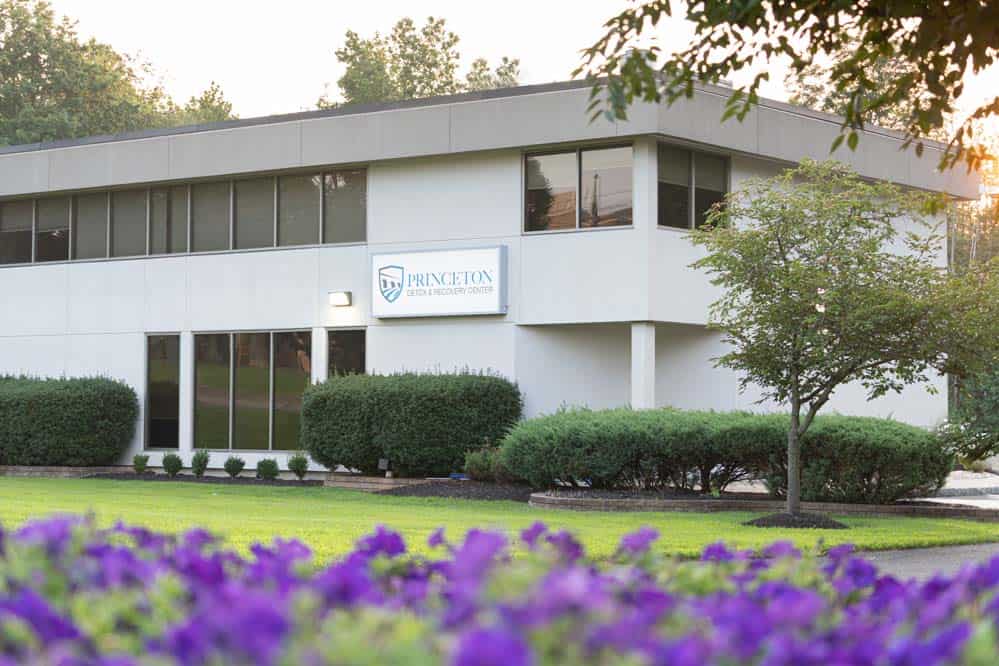
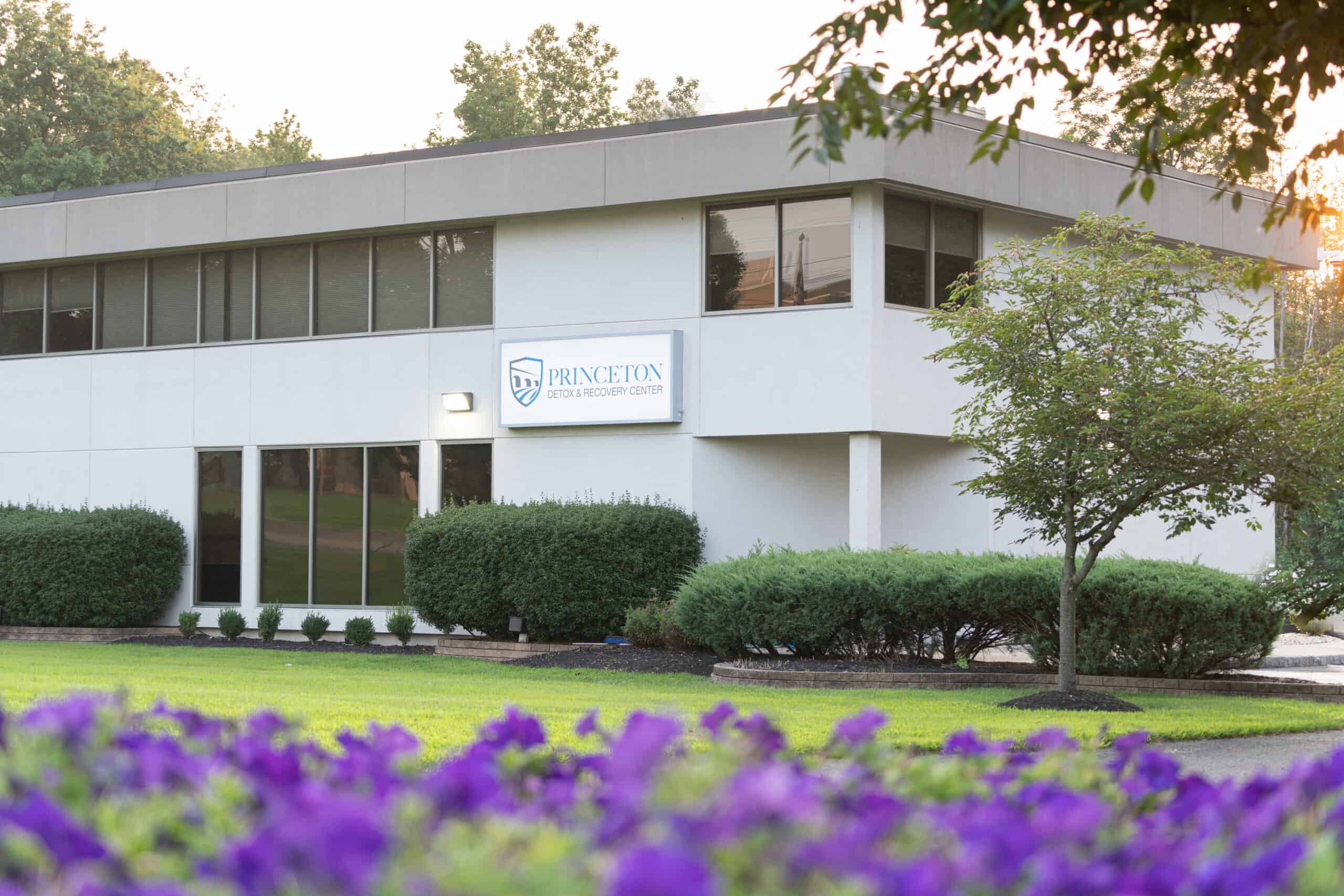
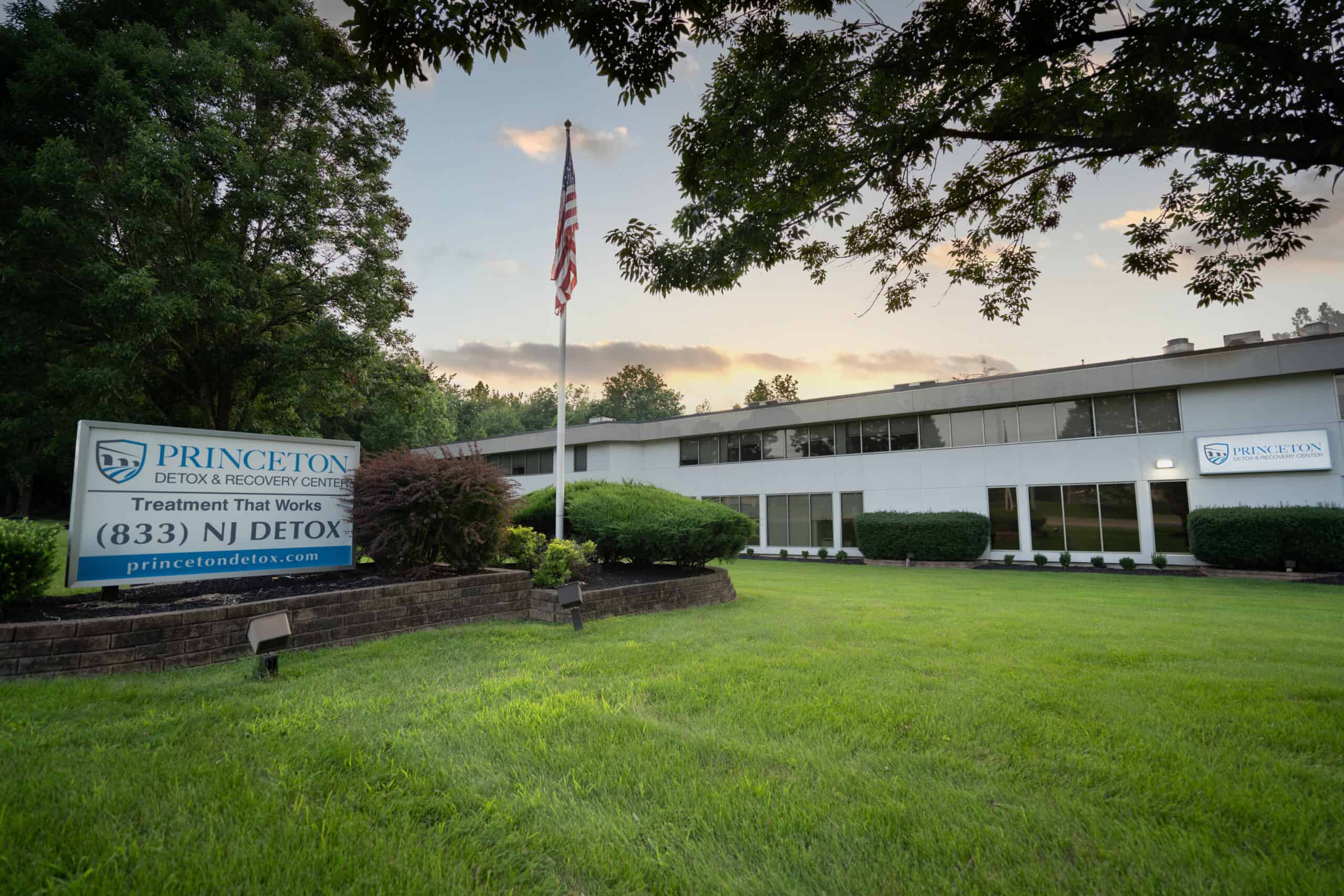
Princeton Recovery Center
Princeton, New Jersey

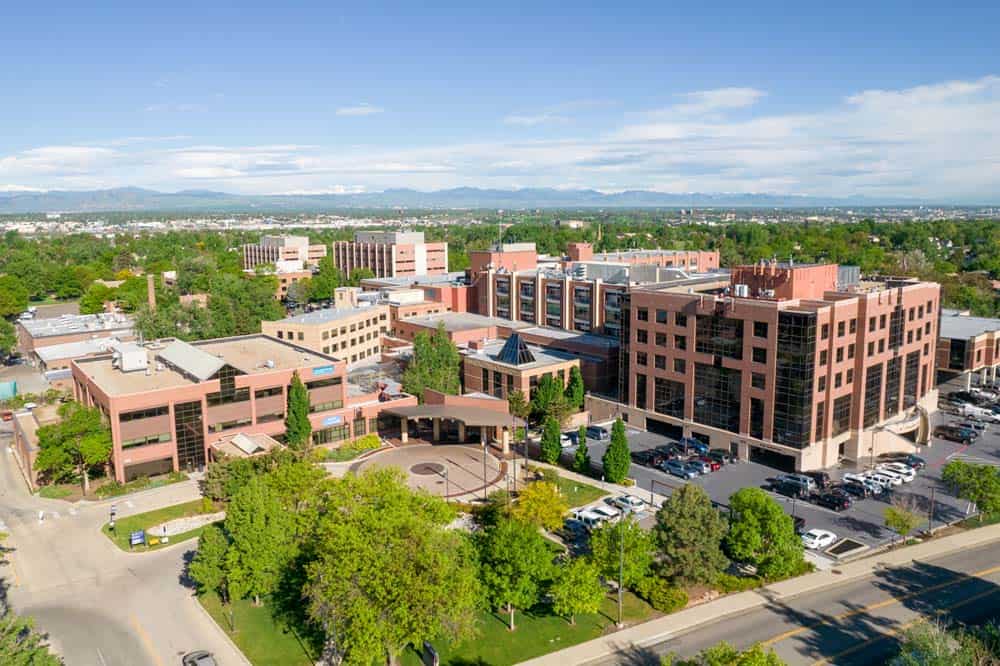
CuraWest
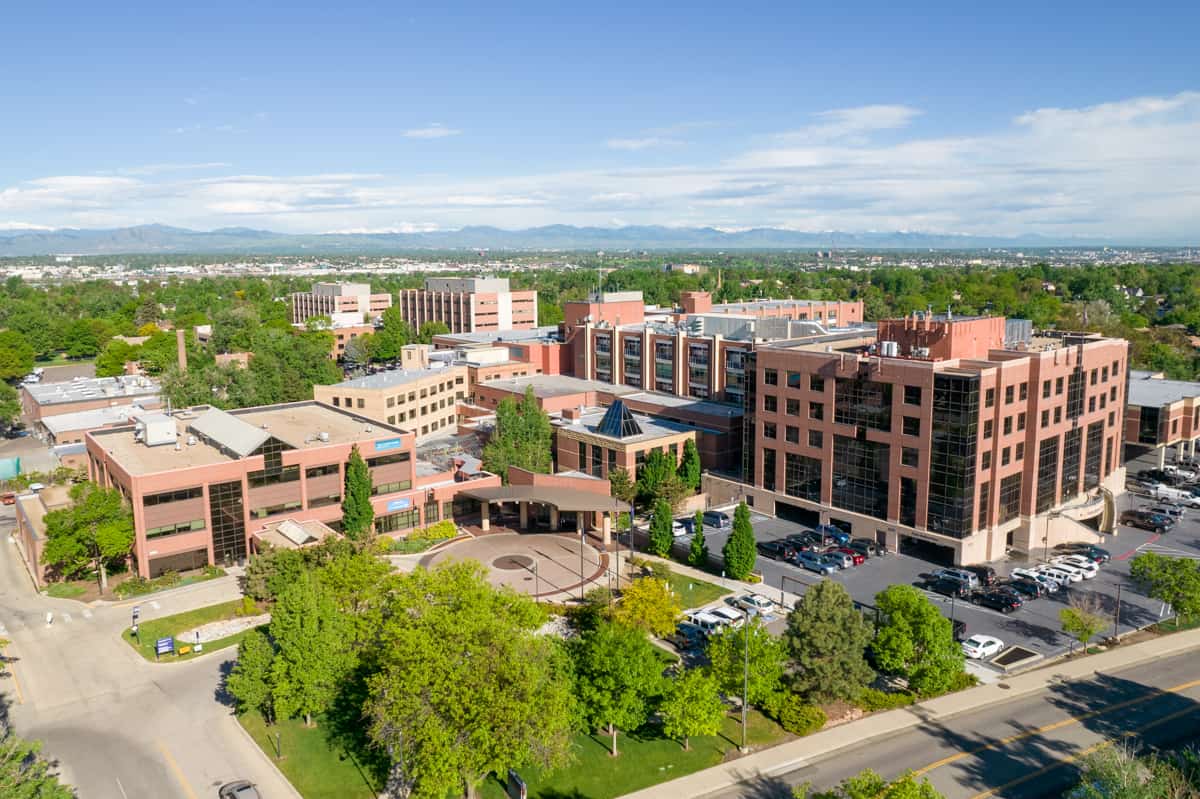
Denver, Colorado
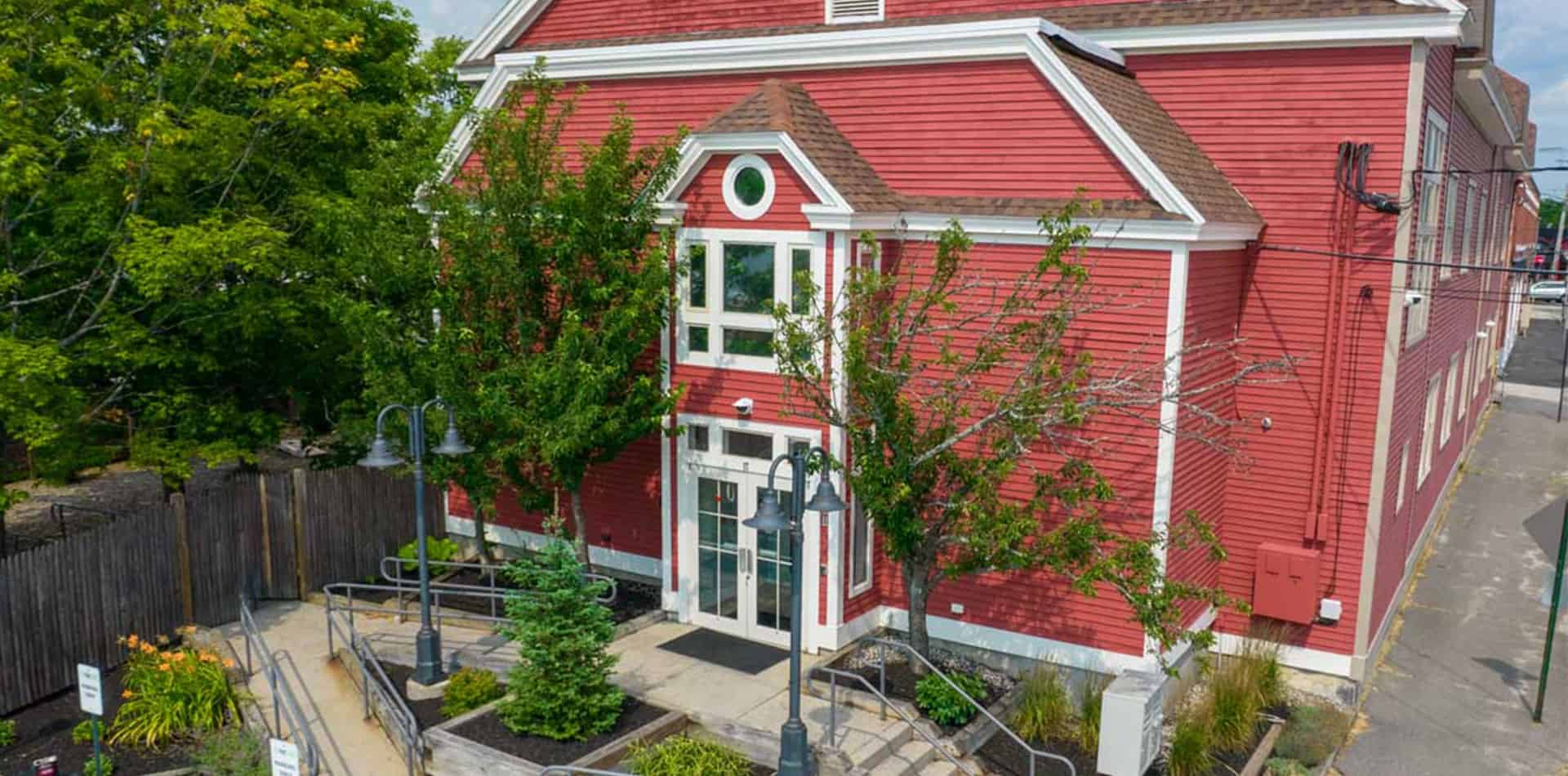
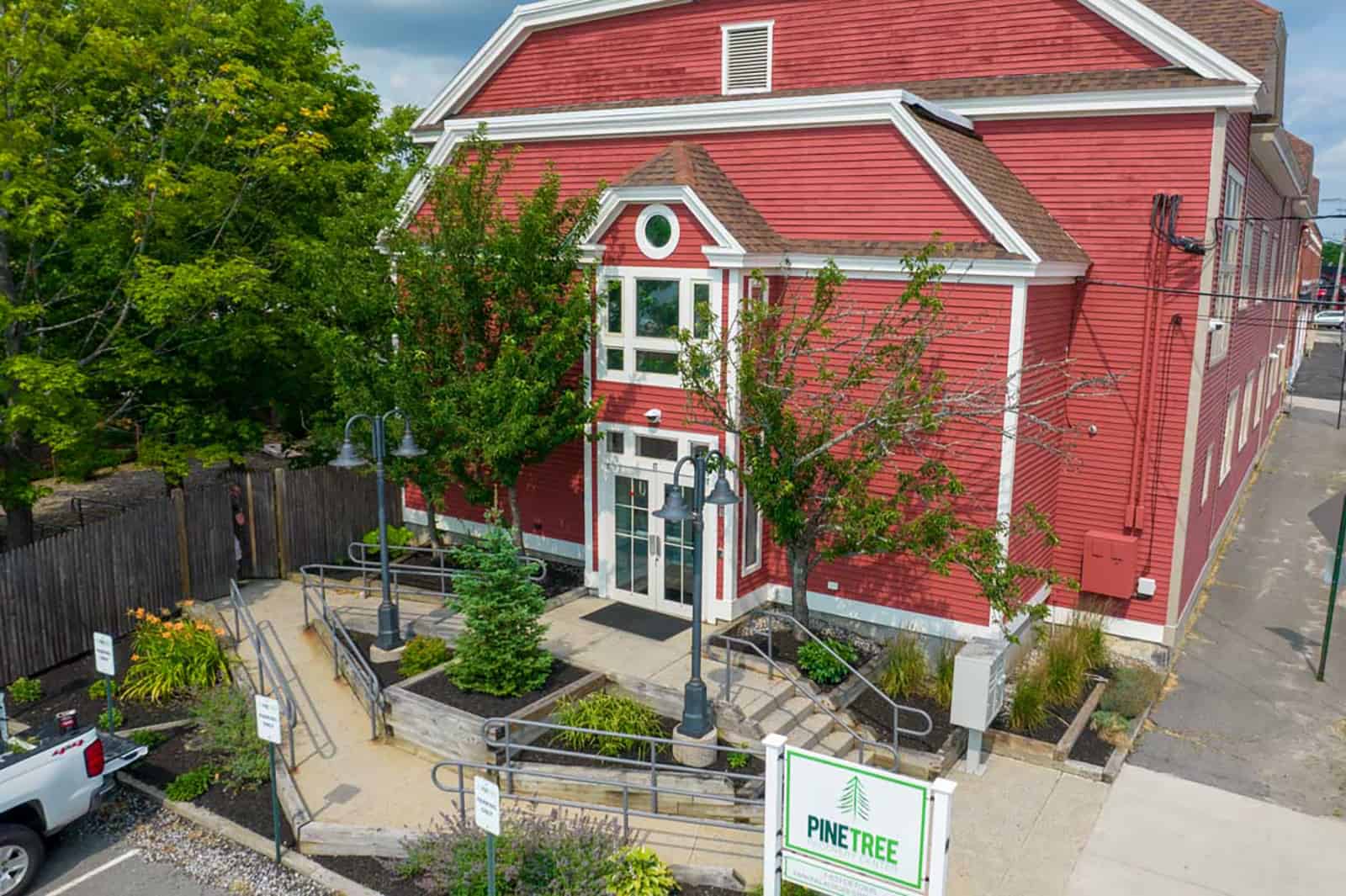
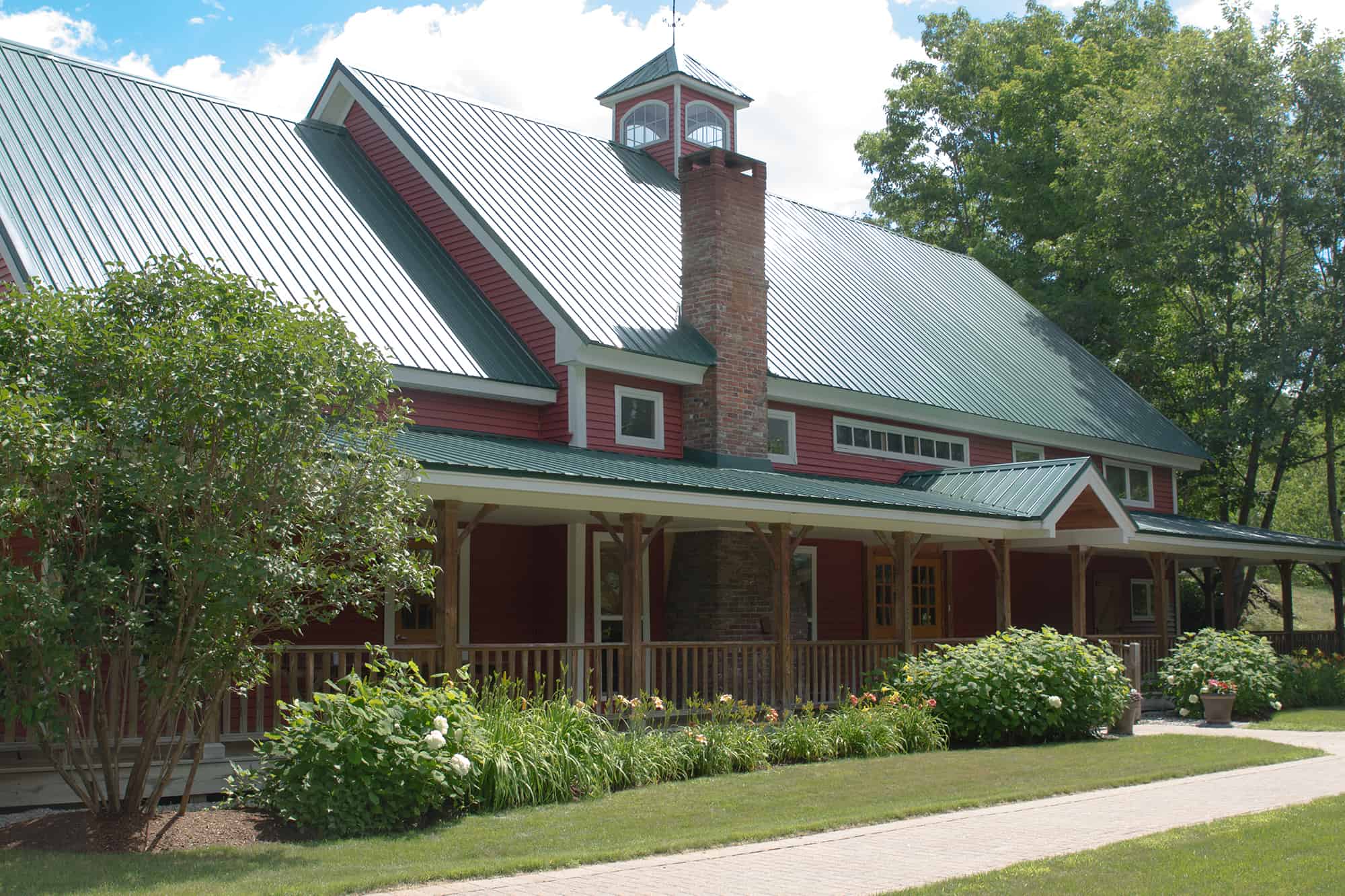
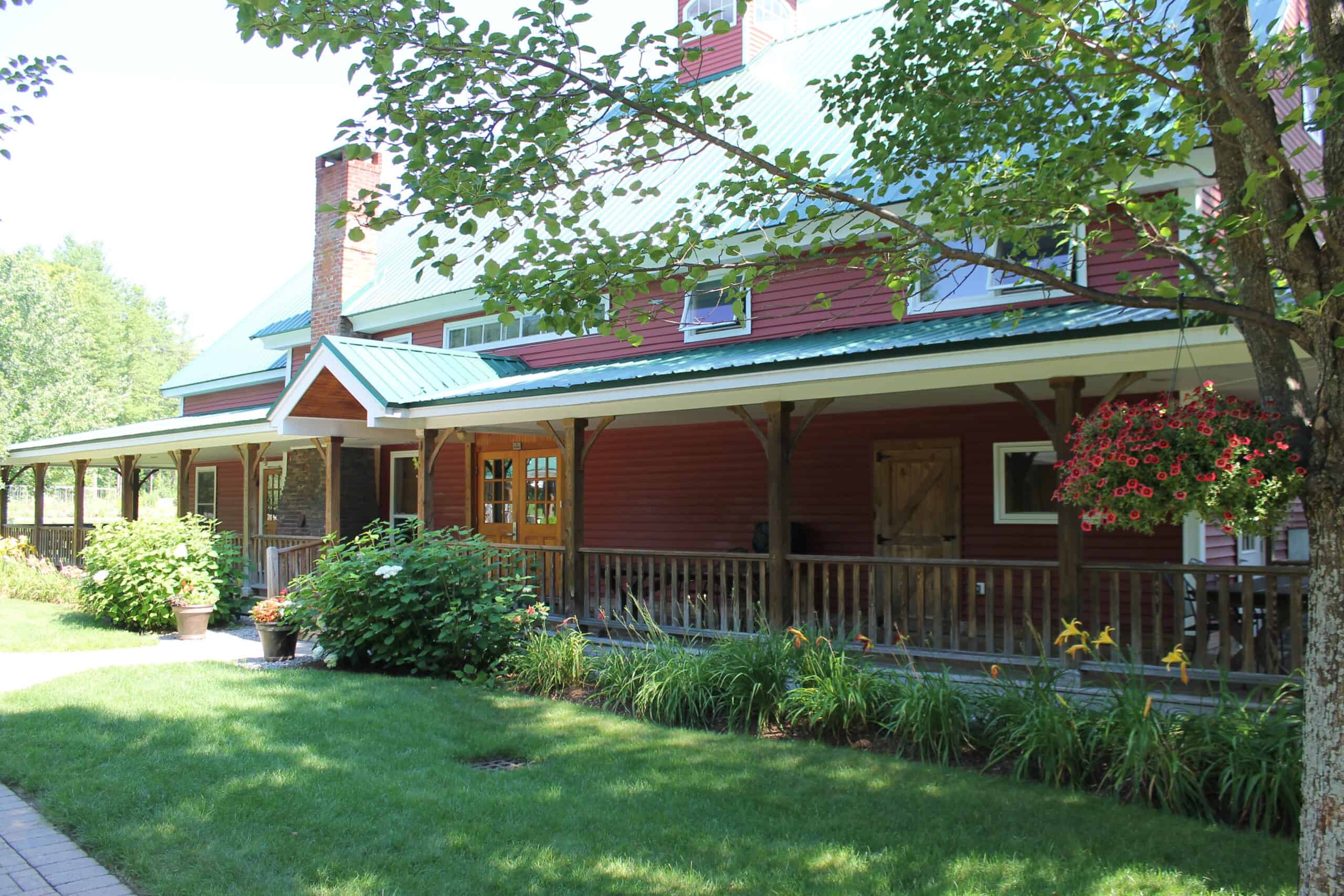
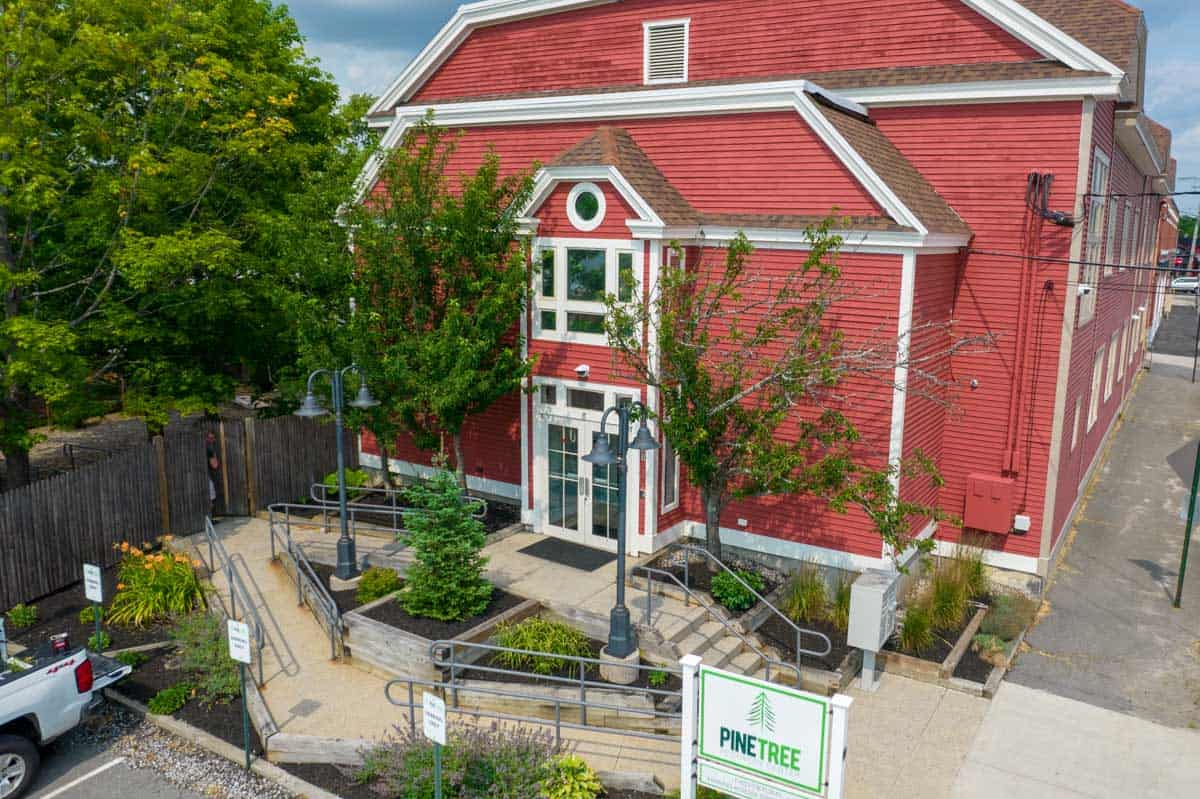
Pine Tree Recovery Center
Portland, Maine

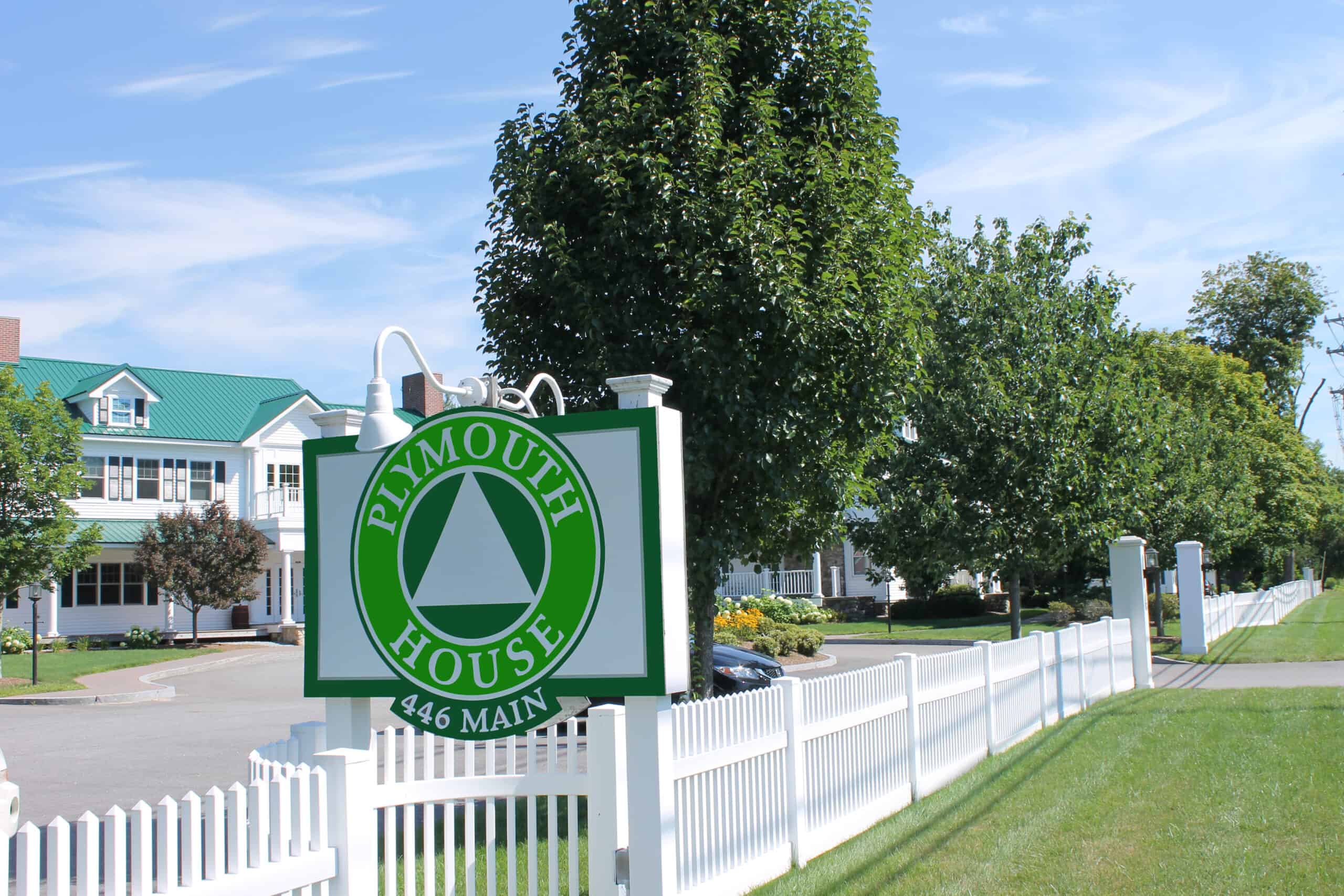
The Plymouth House
Plymouth, New Hampshire
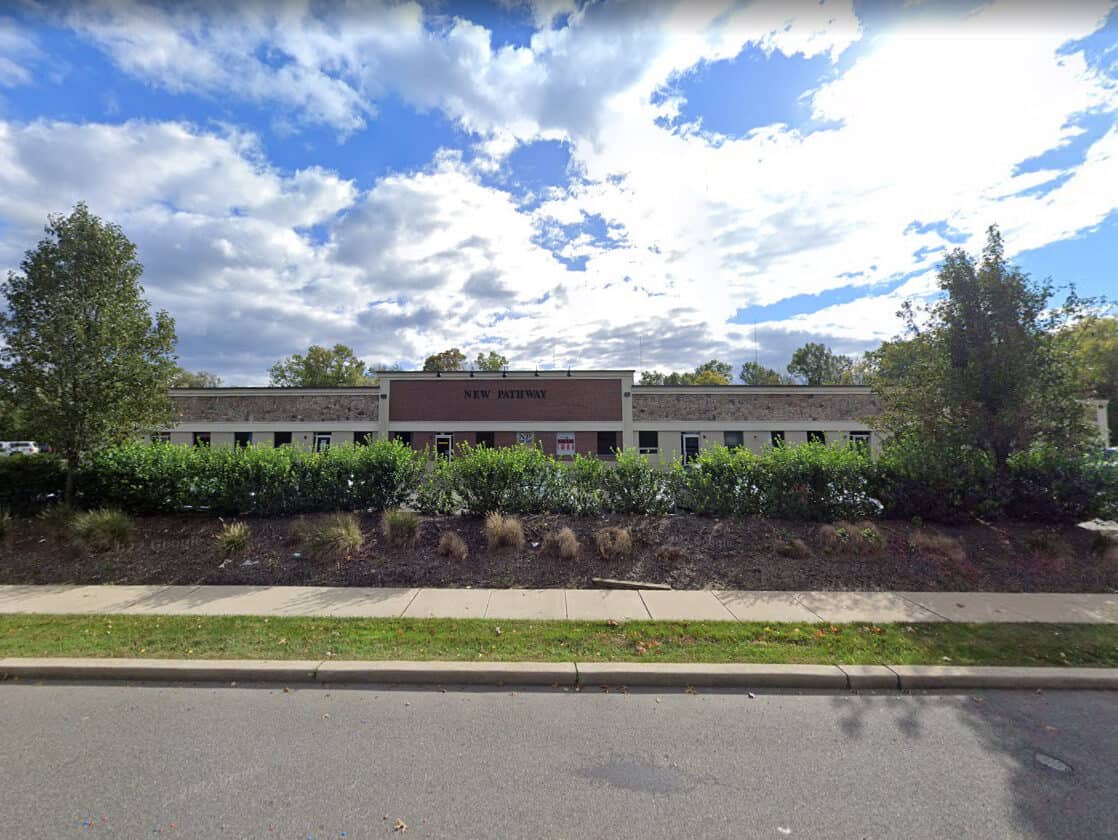
New Pathway Counseling
Pine Brook, New Jersey
Is Medical Detox Necessary?
When it comes to heroin withdrawal, medical detox is most often necessary. People who attempt to quit cold turkey or attempt to undergo detox alone in an at-home setting rarely experience success, and they put themselves at great risk of developing serious health-related complications. Medical detox is essential to treating physical and psychological symptoms while providing clients with a safe and structured environment so that they can successfully avoid relapse. It is important that you or your loved one enters into a detox program before the symptoms of heroin withdrawal develop (or at least progress). At Guardian Recovery we have developed an admissions process geared towards getting you or your loved one admitted to our detox program as quickly as possible. For more information contact us today.
Heroin Detox – Treatment Options
There are a number of effective treatment options available to treat the symptoms associated with heroin withdrawal. At Guardian Recovery we combine pharmacological intervention with intensive therapy and evidence-based holistic recovery methods. According to the National Institute on Drug Abuse there are several approved medications for the treatment of heroin withdrawal. These medications include methadone, buprenorphine and naltrexone. We utilize buprenorphine and naltrexone as part of our medication assisted treatment (MAT) services in order to reduce psychological cravings and alleviate the more severe symptoms associated with heroin withdrawal. Both medications are opioid antagonists, meaning that they mimic the effects of opioid drugs without producing a high, rendering them safe to use. MAT is closely observed by our medical team and all medications are administered under the care of a licensed professional. In addition to MAT we provide intensive behavioral therapy, including individual therapy, group therapy and family therapy. We encourage all of clients to take care of the additional services we provide if they are feeling up to doing so.
SELF-ASSESSMENT:
Do I Have a Substance Use Disorder?

Disclaimer: Does not guarantee specific treatment outcomes, as individual results may vary. Our services are not a substitute for professional medical advice or diagnosis; please consult a qualified healthcare provider for such matters.
Begin Your Recovery Journey
At Guardian Recovery we remain dedicated to providing men and women of all ages and demographics with the most focused care available. We have treatment centers across the country, all licensed, accredited and run by dedicated teams of industry professionals with combined decades of experience in the fields of substance abuse and mental health. We have developed a comprehensive and multi-phased continuum of clinical care that begins with medically monitored detox, progresses to inpatient addiction treatment and concludes with a long-term program of aftercare. If you or your loved one has been suffering at the hands of a heroin abuse disorder of any severity, we are available to help.
Because we understand that committing to recovery can be overwhelming in and of itself we have developed an admissions process that is simple and uncomplicated. The moment you or your loved one makes the decision to give us a call we set to work developing a plan of action. We conduct an initial pre-assessment over the phone which can be completed in several minutes and is geared towards helping our clinical and medical team determine the severity of the substance abuse disorder, as they simultaneously begin planning which detox methods are the most appropriate for each unique case. Next we help work through all potential coverage options. At Guardian Recovery we work with most major regional and national health insurance providers, and offer free, no obligation insurance benefit checks to those in need. Finally we set a date and time for intake. To begin your own personal journey of heroin addiction recovery — or to help your loved one begin the recovery process — contact us today.
Heroin Recovery Articles
What Is Heroin?
Heroin, in its purest form, is a fine white powder. However, most people will see it as gray, brown, or

The Heroin Capital, U.S.
As the U.S. continues the national battle against the use and overdose of illegal drugs, heroin remains at the forefront

Is Heroin An Opiate?
Heroin is an opioid drug derived from the poppy plant, and one of the most commonly abused substances in the